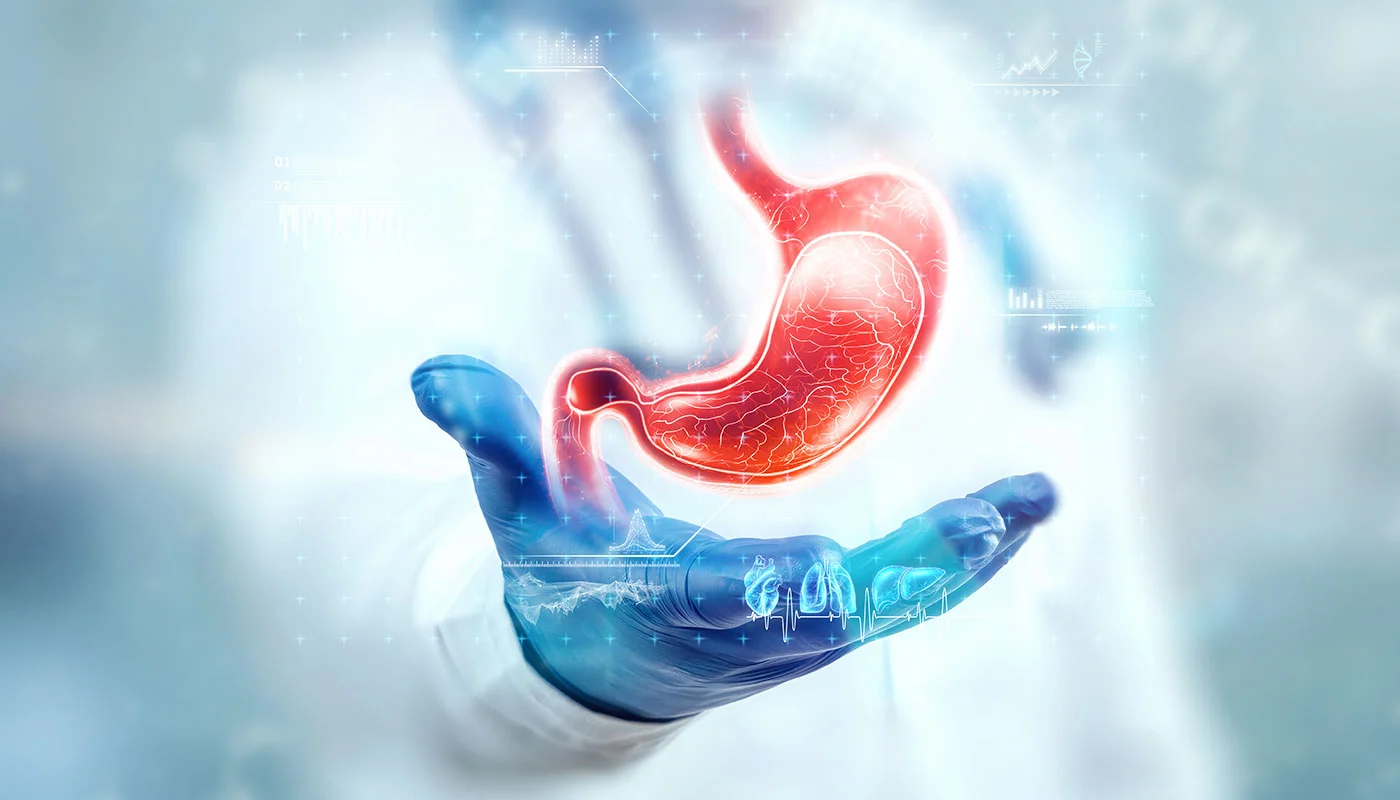
Stomach cancer, a complex interplay of genetic and environmental factors, poses significant health challenges that necessitate a comprehensive understanding. Whether subtle symptoms like persistent indigestion or the pivotal role of advanced diagnostic techniques such as endoscopy, we unravel the intricacies of early detection. So, if you were searching for a comprehensive guide about stomach cancer, your search ends here! Let’s embark on an exploration of the intricate realm of stomach cancer. This blog delves into the multifaceted aspects of its causes, symptoms, diagnosis, and treatment strategies. Wait no more; scroll down to read more.
What is Stomach Cancer?
Stomach cancer, also known as gastric cancer, is developed when the cells in the lining of the stomach undergo certain changes that lead to uncontrolled and abnormal growth. The exact cause of stomach cancer is often not clear, but several factors have been identified that may increase the risk of developing this type of cancer.
Types of Stomach Cancer
The kind of cell that gave rise to your stomach cancer determines the sort of cancer you have. Types of stomach cancer tumors include, for example:
- Adenocarcinoma.
- Gastrointestinal Stromal Tumors (GIST).
- Carcinoid Tumors.
- Lymphoma.
Causes of Stomach Cancer That You Need to Know
It’s important to note that having one or more risk factors can detect that an individual will develop stomach cancer, and some people dealing with stomach cancer pain may not have any known risk factors. The primary reasons for stomach cancer are the following:
- Smoking tobacco
- Aged over 60
- Infection with the bacteria Helicobacter pylori
- A diet high in both smoked, pickled, and salted foods and low in fresh fruit and vegetables
- Alcohol consumption
- Overweight or obese
- Pernicious anaemia (low red blood cells)
- Chronic gastritis (inflammation of the stomach)
- A family history
- Partial gastrectomy for ulcer disease (after about 20 years)
- Inheriting a genetic change that causes the bowel disorders familial adenomatous polyposis or hereditary nonpolyposis colorectal cancer.
It’s important to note that while these factors may increase the likelihood of developing stomach cancer, many people diagnosed with stomach cancer do not have any of these risk factors, and some with multiple risk factors never develop the disease. Regular medical check-ups, early detection, and lifestyle modifications can contribute to a reduced risk of stomach cancer. If you have concerns regarding stomach cancer causes, it’s advisable to consult with a healthcare professional.
Symptoms of Stomach Cancer
Stomach cancer, also known as gastric cancer, often does not cause specific symptoms in its early stages, and symptoms may vary from person to person. Additionally, symptoms can be non-specific and may be indicative of other gastrointestinal issues. However, as the cancer progresses, certain symptoms may become more apparent. It’s important to note that these symptoms can also be caused by conditions other than stomach cancer. If you experience any persistent or troubling symptoms, it is crucial to consult with a healthcare professional for a proper evaluation. Some potential stomach cancer symptoms include:
Early Signs of Stomach Cancer
- Indigestion or Heartburn: Chronic indigestion or persistent heartburn that does not respond to usual treatments may be a symptom.
- Abdominal Discomfort: Discomfort or pain in the abdomen, particularly in the upper abdomen, may occur.
- Nausea and Vomiting: Persistent nausea or vomiting, sometimes with blood, can be a symptom.
- Unexplained Weight Loss: Significant and unexplained weight loss may occur in some cases.
- Loss of Appetite: A decrease in appetite and a feeling of fullness even after eating small amounts of food may be a sign.
Advanced Symptoms of Stomach Cancer
- Bloody Stools: Blood in the stool or black, tarry stools may indicate bleeding in the stomach.
- Fatigue: General fatigue and weakness can be symptoms of advanced stages of stomach cancer.
- Difficulty Swallowing: Dysphagia, or difficulty swallowing, may occur as the tumor grows and obstructs the passage of food.
- Anemia: Stomach bleeding can lead to a decrease in red blood cells, resulting in anemia. Symptoms of anemia include fatigue, weakness, and pale skin.
- Jaundice: In some cases, the cancer may block the passage of bile, leading to jaundice, which is characterized by yellowing of the skin and eyes.
Furthermore, these symptoms can be caused by various conditions, and having one or more of these symptoms does not necessarily mean a person has stomach cancer. But if you are experiencing persistent or concerning symptoms, it’s necessary to consult with a healthcare professional for a thorough evaluation and appropriate testing, because early detection and treatment can significantly improve the prognosis for stomach cancer.
Also Read: Breast Cancer: Symptoms, Causes, Diagnosis, Treatment, And Prevention
Stomach Cancer Diagnosis & Treatment
The diagnosis of stomach cancer typically involves a combination of medical history, physical examination, imaging tests, and confirmatory procedures such as biopsies. Here is an overview of the diagnostic process:
1. Medical History and Physical Examination:
Your doctor will ask about your medical history, including any symptoms you may be experiencing, risk factors, and family history of cancer.
A physical examination may be performed to check for any signs of stomach cancer, such as abdominal pain, lumps, or enlarged lymph nodes.
2. Imaging Tests:
- Endoscopy: A thin, flexible tube with a camera (endoscope) is inserted through the mouth and into the stomach. This allows the doctor to visually examine the stomach lining, take biopsies, and remove small tumors.
- Upper Gastrointestinal (GI) Series: This involves drinking a contrast solution that makes the stomach visible on X-rays. X-rays are then taken to look for abnormalities.
- Computed Tomography (CT) Scan: A CT scan provides detailed cross-sectional images of the abdomen, helping to identify the size and location of tumors and whether the cancer has spread to nearby structures or lymph nodes.
- Magnetic Resonance Imaging (MRI): MRI uses magnetic fields and radio waves to create detailed images of the soft tissues, helping to evaluate the extent of the cancer.
- Positron Emission Tomography (PET) Scan: PET scans can show areas of increased metabolic activity, helping to identify cancerous tissue.
3. Biopsy:
If suspicious areas are found during endoscopy or imaging, the doctor will take a biopsy. This involves removing a small tissue sample for examination under a microscope to determine if cancer cells are present and to identify the type of cancer.
4. Blood Tests:
Blood tests may be conducted to check for certain markers associated with stomach cancer, such as carcinoembryonic antigen (CEA) and CA 19-9. Elevated levels of these markers may indicate the presence of cancer.
Treatment
The choice of treatment depends on factors such as the stage of cancer, the overall health of the patient, and the specific characteristics of the tumor. It’s important for patients to discuss treatment options, potential side effects, and expected outcomes with their healthcare team. Listed below are some of the best possible ways:
Staging:
If stomach cancer is confirmed, further tests may be done to determine the stage of the cancer, including the extent of its spread.
Following a diagnosis, one or more of the subsequent tests is performed to ascertain the cancer’s stage and extent:
- CT Scan
- Ultrasound Scan
- PET Scan
- Laparoscopy
- Bone Scan.
Types of Therapy Treatment
- Surgery
- Chemotherapy
- Radiation Therapy
- Targeted Therapy
- Immunotherapy
Conclusion
Stomach cancer presents a complex health challenge, demanding a comprehensive understanding of its causes, symptoms, diagnosis, and treatment. Therefore, it is crucial to understand its complex etiology, which includes lifestyle choices and genetic predispositions, early detection, and preventative interventions. So, one must identify the subtle indications, which include chronic dyspepsia and unexplained weight loss, for a timely diagnosis. Furthermore, treatment modalities, ranging from surgery to chemotherapy, are continually evolving, offering hope for improved outcomes. Ultimately, raising awareness, fostering research, and promoting regular screenings are vital components of a holistic approach to addressing stomach cancer and improving patient prognosis.