


At-Home Fertility Test for Men – A Complete Guide
Table of Contents Having your semen tested at home is the best way to know whether you’re fertile. With at-home testing, you can check how


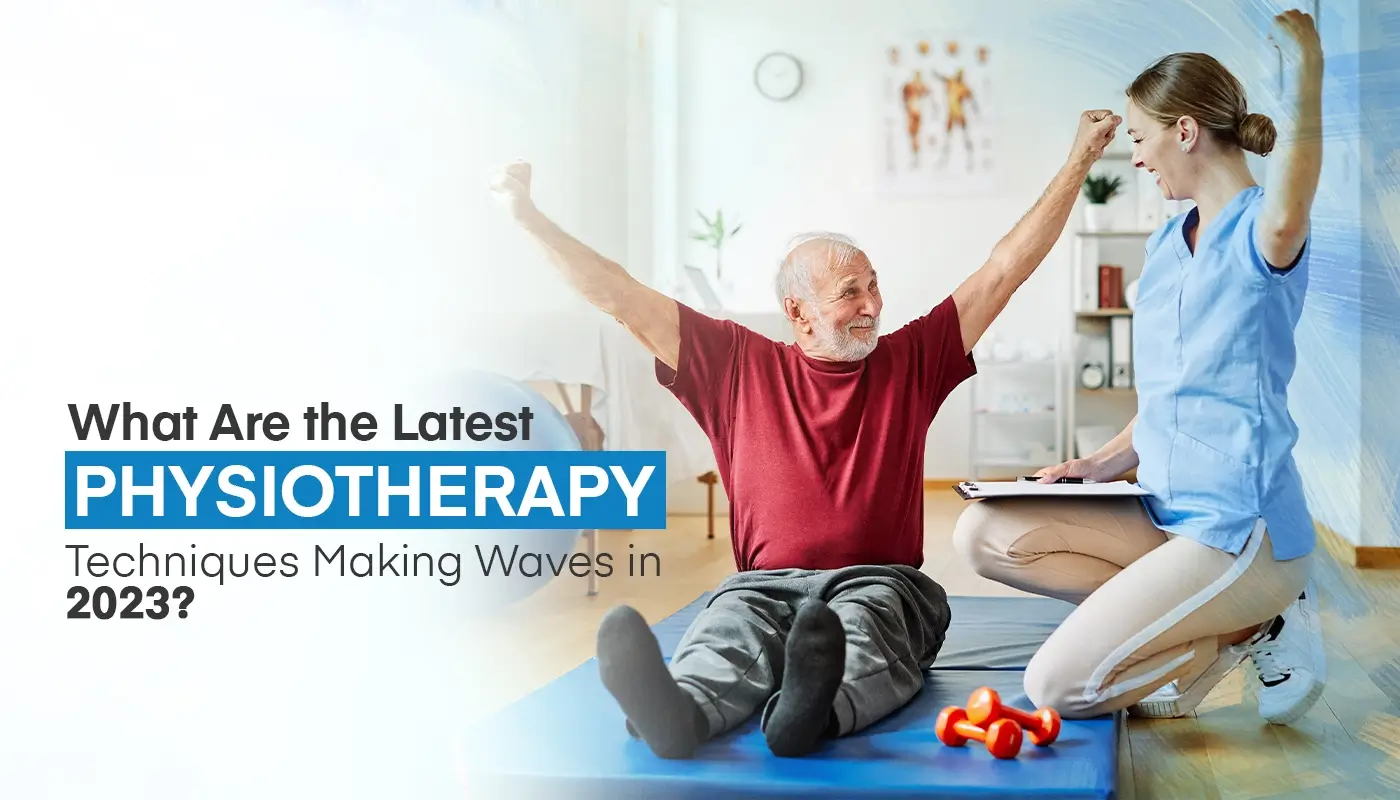
The field of physiotherapy is constantly evolving, driven by advancements in technology, research, and a deeper understanding of the human body.
As we step into 2023, several groundbreaking physiotherapy techniques are making waves, revolutionizing the way we approach rehabilitation and pain management. So, the fact can’t be denied that the advanced physiotherapy techniques will benefit the wellbeing of the community in all possible ways. Are you curious to learn how the latest physiotherapy techniques will be making waves in 2023? Well! In this blog, we will dive into some of the latest physiotherapy techniques that are garnering attention and transforming the landscape of healthcare. Without further ado, scroll to read more.
To help you understand better, here are some of the latest physiotherapy techniques that you can check out:
The COVID-19 pandemic catalyzed the adoption of telehealth services across various medical fields, including physiotherapy at home. In 2023, telehealth physiotherapy will continue to thrive, offering patients the convenience of receiving expert guidance and rehabilitation exercises from the comfort of their homes. Through video calls and digital platforms, physiotherapists can assess patients, track their progress, and make necessary adjustments to their treatment plans in real time.
Exoskeletons, once confined to science fiction, have become a reality in physiotherapy. These wearable robotic devices are designed to support and enhance the movements of individuals with mobility impairments. Whether recovering from a spinal cord injury or stroke, patients can benefit from exoskeleton-assisted therapy. By providing targeted support to weakened muscles, exoskeletons enable patients to engage in gait training and relearn proper movement patterns.
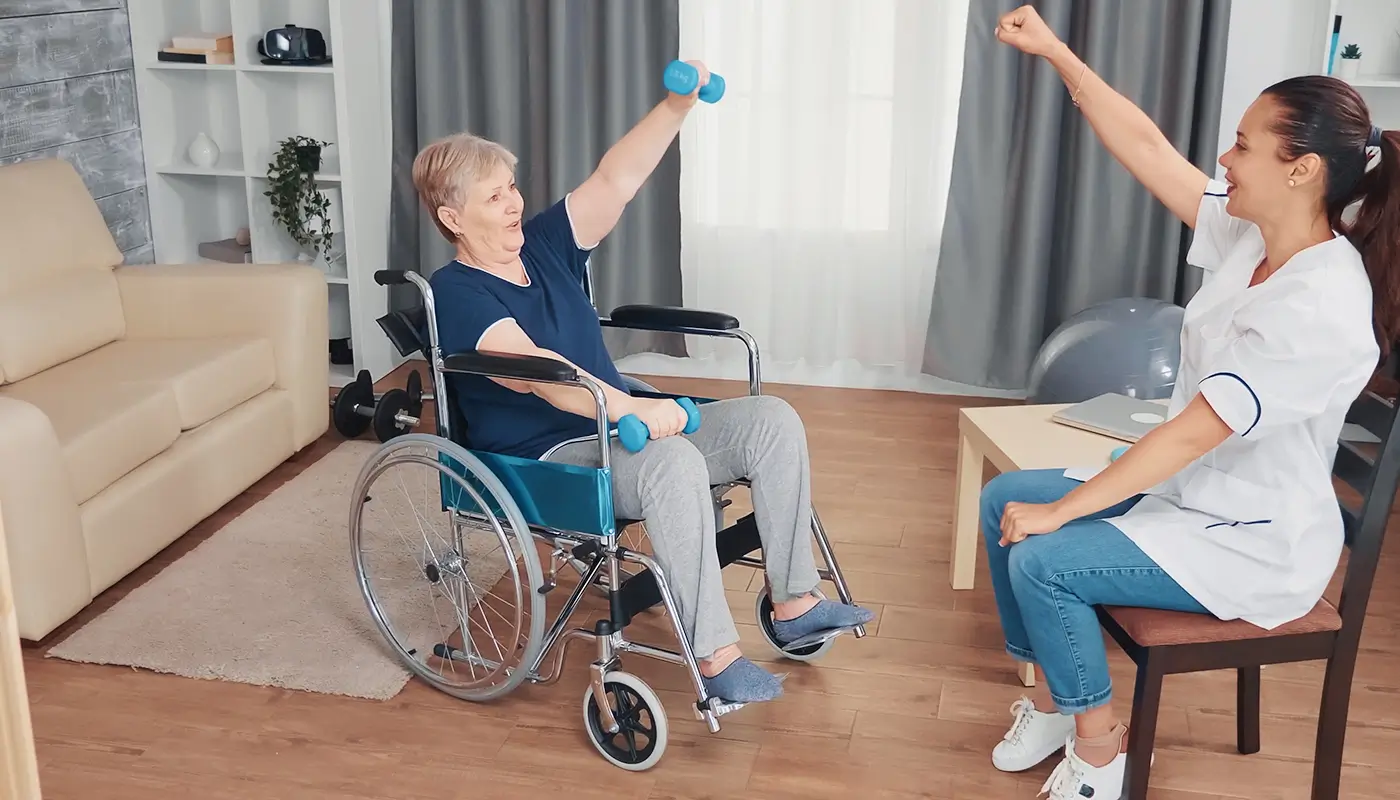
Artificial intelligence has paved the way for more precise and data-driven physiotherapy. Biomechanical analysis, combined with AI algorithms, allows therapists to gather detailed insights into a patient’s movements and identify any deviations or areas of concern. By analyzing this data, therapists can tailor rehabilitation plans to target specific areas, thereby optimizing the recovery process and minimizing the risk of re-injury.
PEMF therapy is a non-invasive technique gaining traction in the physiotherapy world. It involves using electromagnetic fields to stimulate tissue repair and reduce inflammation. By applying pulsed electromagnetic fields to the body, therapists aim to accelerate the healing of musculoskeletal injuries, improve blood circulation, and alleviate pain.
Recognizing the strong connection between the mind and body, many physiotherapists are incorporating mind-body interventions into their practice. Techniques such as:
Are being used to manage pain, reduce stress, and enhance overall well-being. These interventions complement traditional physical therapies and contribute to a holistic approach to rehabilitation.
Or fill this form and one of our dedicated team member will contact you at the earliest.
Virtual reality has transcended the world of gaming and entertainment and has found its place in the realm of physiotherapy. VR rehabilitation involves using immersive virtual environments to facilitate the recovery of patients dealing with various physical injuries or conditions. This technique not only adds an element of engagement and motivation to the rehabilitation process but also allows therapists to create personalized exercises in a controlled digital environment. Patients can perform physical exercises that mimic real-life movements, aiding in enhancing their motor skills, balance, and coordination.
Source: https://u.ae/en/about-the-uae/digital-uae/digital-technology/virtual-reality
The new wave of physiotherapy techniques has impacted every aspect of home healthcare. It made connection, prevention, and holism more reliable for patients. Though a physiotherapist’s job might not be flexible, the enhancement and new techniques have helped patients’ recovery faster.
For example, in recent years, the innovation of new wearable tracking systems has helped physiotherapists assess and measure joint mobility more efficiently. Plus, it has helped physiotherapists guide and motivate their patients through their rehabilitation exercises.
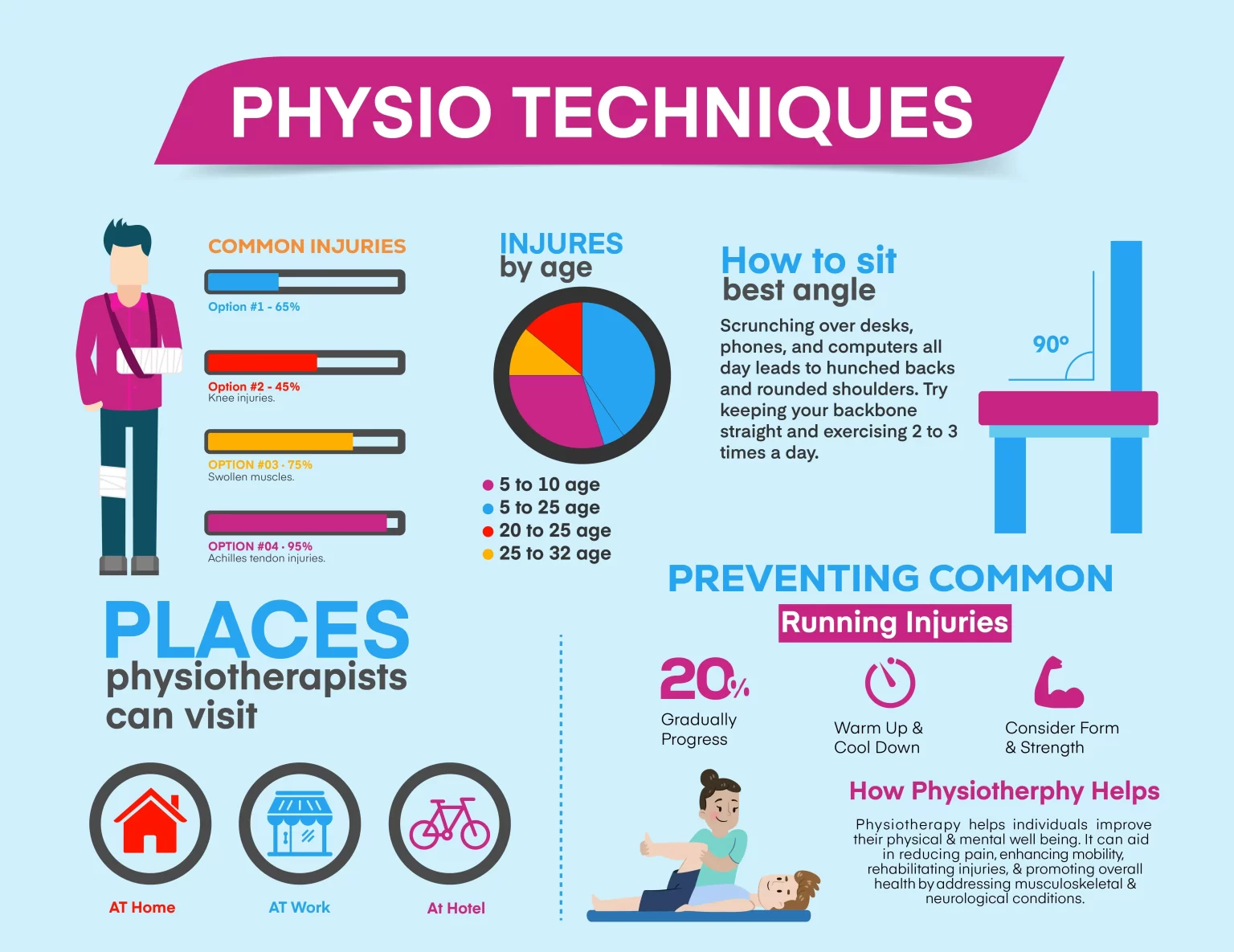
Since physiotherapy solely focuses on helping individuals recover from injuries, manage chronic conditions, and improve their overall physical function and mobility, it won’t be wrong to say that advanced physiotherapy methods have the potential to significantly impact patients’ wellbeing in a positive way. As techniques and technologies in physiotherapy are continuously evolving, several key areas of impact on the well-being of patients can be observed:

While advanced physiotherapy at home techniques hold great promise, it’s important to note that the impact on patients’ wellbeing can vary based on factors such as the specific techniques used, the skill of the physiotherapist, the individual patient’s condition, and their commitment to following the recommended treatment plan. It’s always advisable to consult with qualified healthcare professionals to determine the most appropriate approach for one’s specific situation.
| Improved Treatment Efficacy – New techniques often incorporate advancements in technology and understanding of the human body, potentially leading to more effective treatment outcomes for various conditions. | Limited Accessibility – Cutting-edge techniques might require specialized equipment, facilities, or expertise that are not widely available, limiting access for some patients. |
| Personalized Treatment Plans – Modern techniques might involve more tailored approaches, utilizing data and analysis to create treatment plans that are better suited to an individual’s needs and goals. | Lack of Long-Term Data – Since new techniques are, by definition, recent developments, there might be limited long-term data on their effectiveness and potential side effects. |
| Enhanced patient engagement – The use of technology and interactive tools in modern physiotherapy techniques might improve patient engagement and compliance with prescribed exercises, leading to better overall outcomes. | Unforeseen Risks – Just as with any medical innovation, there might be unforeseen risks or complications associated with the latest physiotherapy techniques that only become apparent after more widespread use. |
Remember that the pros and cons of specific techniques can vary widely based on the technique itself, the condition it addresses, and the patient’s individual circumstances. It’s essential to consult with online doctors or healthcare professionals who are knowledgeable about the latest developments to get accurate and up-to-date information tailored to your situation.
The year 2023 is witnessing an exciting convergence of cutting-edge technology and innovative approaches in the field of physiotherapy. From virtual reality rehabilitation to AI-driven biomechanical analysis, these techniques are reshaping the way we perceive rehabilitation and recovery. As the field continues to evolve, patients can look forward to more personalized, effective, and engaging physiotherapy experiences that hold the potential to transform lives and restore mobility like never before. Furthermore, if you are searching for professional physiotherapists in Dubai, then AIMS Healthcare is one of the best choices.
AIMS Healthcare is a DHA-licensed home healthcare service provider in Dubai. We take great pride in saying that we deliver fast and reliable healthcare services at your doorstep. From DHA-certified doctors to physiotherapists and nurses, we’ve got you covered. We offer a range of home healthcare services to help our community live more comfortably. We have all the resources and expertise, so just let us know your medical needs, and our team will ensure that you are provided with the best medical services. We have tailored our services to help patients get general and specialized homecare services as per their medical needs. We are available 24/7 and can provide service anywhere in Dubai within 30 minutes.


Yes! Physiotherapists are trained physicians. Here are some of the qualities that they may have:
The main difference between physiotherapy and physical therapy is how they solely focus on healing, connection, prevention, and holism.
Physiotherapy can help restore movement and function when an individual is affected by injury, illness, or disability.
Yes! Physiotherapists do manual therapy. Wondering what manual therapy is? Well! Manual therapy is a technique where hands are used by the physiotherapist to manipulate, mobilize, and massage the body tissues. This therapy can help improve blood circulation and relieve pain and stiffness.
AIMS Healthcare has staffed the best team of DHA certified physiotherapists.
The different types of physiotherapy treatments are as follows:
AIMS Healthcare’s physiotherapists will reach your doorstep in 30 minutes. All you have to do is give us a call.
Table of Contents Having your semen tested at home is the best way to know whether you’re fertile. With at-home testing, you can check how

Table of Contents Healthy Fasting, Happy Digestion! Explore Tips for a Smooth Ramadan. As the holy month approaches, fasting holds significant spiritual and cultural importance
Table of Contents Healthy Fasting, Happy Digestion! Explore Tips for a Smooth Ramadan. As the holy month approaches, fasting holds significant spiritual and cultural importance