


At-Home Fertility Test for Men – A Complete Guide
Table of Contents Having your semen tested at home is the best way to know whether you’re fertile. With at-home testing, you can check how


Pregnancy is a beautiful and transformative journey, but it can also bring about various physical changes and discomforts for expecting mothers.
While Pregnancy changes are a natural part of the process, they can sometimes lead to discomfort, pain, and even complications. That’s where the incredible benefits of physiotherapy come into play. In this blog, we will explore how physiotherapy can be a supportive and nurturing companion for expecting mothers, helping them navigate the challenges of pregnancy with greater comfort and confidence. From alleviating common aches and pains to preparing the body for childbirth, physiotherapy offers a holistic approach to maternal well-being, ensuring a smoother and healthier pregnancy experience. Join us on this journey to discover the invaluable advantages of incorporating physiotherapy into your prenatal care routine.
Physiotherapy during pregnancy, including the option of physiotherapy at home, plays a crucial role in promoting the health and well-being of both the expectant mother and baby care. It helps alleviate common discomforts like back pain, pelvic girdle pain, and muscle tension, enhancing the mother’s overall comfort. Physiotherapists can provide tailored exercises and techniques to strengthen core muscles and improve posture, reducing the risk of pregnancy-related musculoskeletal issues. Additionally, physiotherapy can aid in preparing the body for childbirth, facilitating smoother labour and delivery. It also addresses issues like incontinence and assists in postpartum recovery. Overall, physiotherapy empowers expectant mothers with the physical and emotional support needed for a healthier, more comfortable pregnancy and a smoother transition into motherhood.
Source: https://www.macrotrends.net/countries/ARE/uae/fertility-rate
Antenatal physiotherapy, also known as prenatal physiotherapy, is a specialized branch of physical therapy that focuses on addressing various physical and musculoskeletal issues that pregnant individuals may encounter during their pregnancy journey. It plays a crucial role in enhancing the overall well-being and comfort of expectant mothers. Some of the key issues that antenatal physiotherapy can effectively address include:
Pregnancy often leads to increased stress on the lower back and pelvis due to changes in posture and the growing uterus. Antenatal physiotherapy employs techniques to alleviate pain and discomfort in these areas.
Physiotherapists can help with pelvic floor exercises and training to prevent or manage issues such as urinary incontinence, which can be common during pregnancy.
Pregnancy can affect a woman’s posture, leading to muscle imbalances and pain. Physiotherapy for pregnant ladies focuses on improving posture and ensuring optimal body alignment.
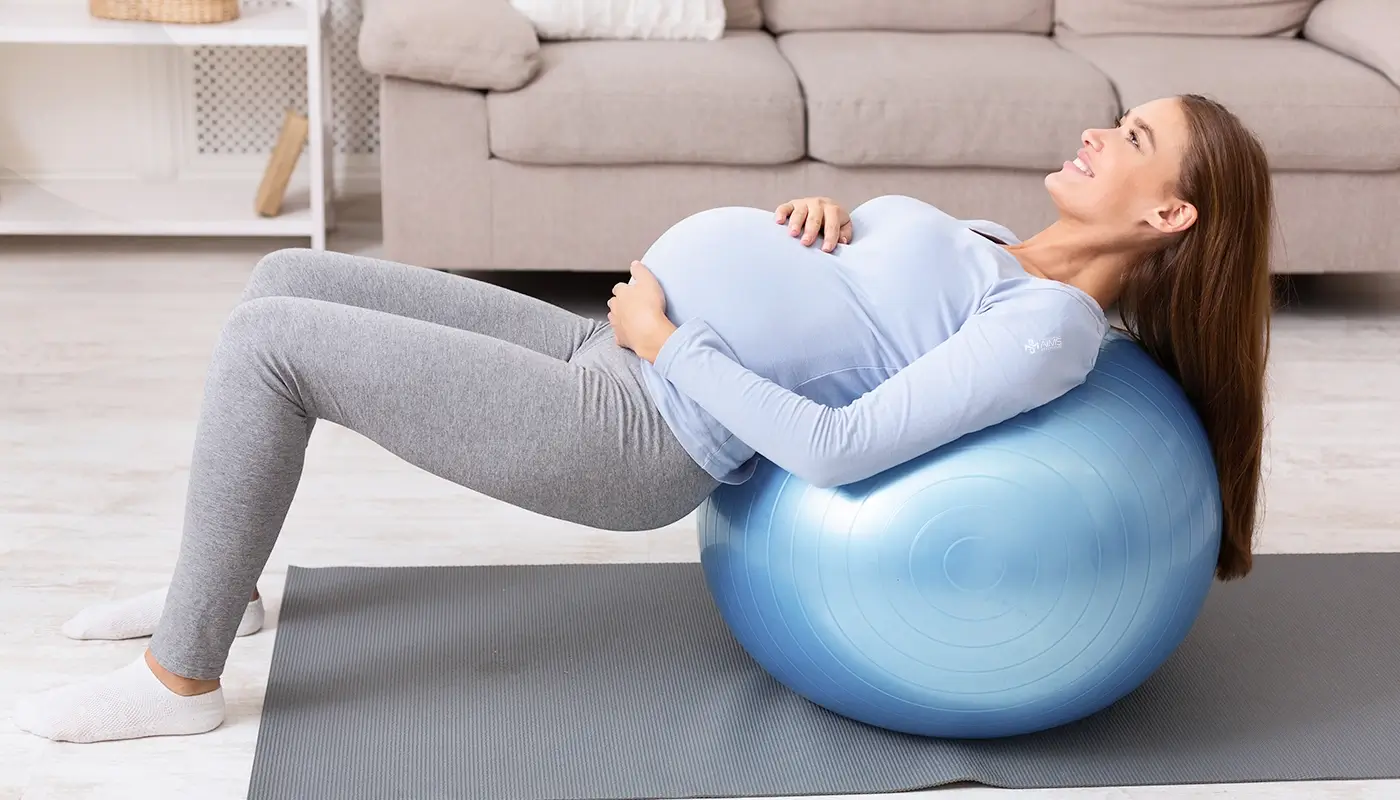
Antenatal physiotherapy includes exercises to strengthen the core, back, and pelvic muscles, which can aid in the support of the growing belly and prepare the body for labor.
Physiotherapy techniques can help individuals prepare for labor by teaching relaxation and breathing exercises, which are invaluable during childbirth.
Swelling in the legs and ankles is a common issue during pregnancy. Physiotherapists can offer guidance on managing and reducing edema.
Some pregnant women experience symptoms of carpal tunnel syndrome, and physiotherapy at home can provide relief through exercises and manual therapy.
Antenatal physiotherapy contributes to the overall comfort and well-being of pregnant individuals by addressing a range of physical issues, promoting relaxation, and reducing stress.
In essence, antenatal physiotherapy plays a vital role in enhancing the physical and emotional health of expectant mothers, ensuring a more comfortable pregnancy experience and better preparation for labor and delivery. It offers a holistic approach to prenatal care, addressing various issues to promote a healthier pregnancy journey. Moreover, pregnant women can also opt for nursing care at home for a smooth parental journey.
Or fill this form and one of our dedicated team member will contact you at the earliest.
Pregnancy is a transformative journey for a woman’s body as it undergoes numerous changes to support the growth and development of the fetus. These changes can be divided into several key categories:
Pregnancy triggers significant hormonal fluctuations, including a surge in hormones like progesterone and estrogen. These hormonal shifts play a crucial role in maintaining the pregnancy and preparing the body for
It’s important to note that every pregnancy is unique, and not all women will experience the same changes or symptoms. Additionally, the changes that occur during pregnancy are generally reversible, with the body gradually returning to its pre-pregnancy state after childbirth. Prenatal care and regular check-ups with doctors and healthcare providers are essential to monitor and address any changes or issues that may arise during pregnancy.
Source: https://www.statista.com/statistics/1100409/dubai-number-of-births/
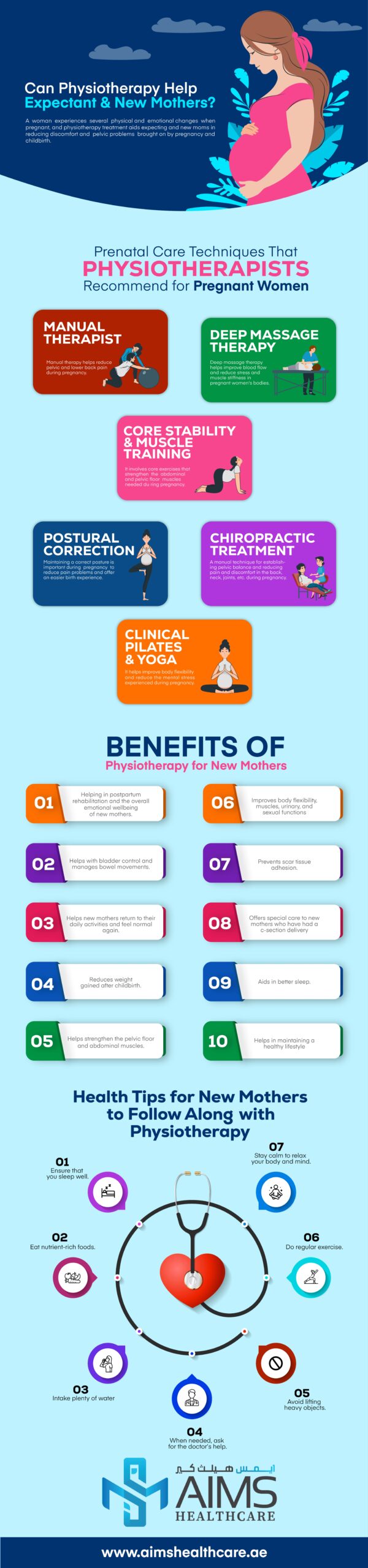
Physiotherapy offers a range of benefits for expecting mothers, supporting their physical health and overall well-being throughout pregnancy and beyond. Here are some of the key advantages:
Pregnancy often brings about various discomforts and pains, such as back pain, pelvic pain, and sciatica. Physiotherapists can employ techniques like manual therapy, stretching, and exercises to alleviate these discomforts, improving the mother’s quality of life.
Maintaining strong pelvic floor muscles is crucial during pregnancy and postpartum. Physiotherapists provide guidance and exercises to enhance pelvic floor strength, reducing the risk of issues like incontinence and pelvic organ prolapse.
As the body undergoes significant changes to accommodate the growing baby, maintaining good posture becomes essential. Physiotherapy helps mothers learn proper body mechanics and posture, preventing musculoskeletal problems.
Physiotherapists can teach breathing techniques and exercises that prepare the body for labor. These techniques can aid in managing pain and stress during childbirth.
Strengthening the core muscles helps support the spine and alleviate back pain, which is common during pregnancy. Physiotherapy programs can focus on core strengthening exercises tailored to the individual.
Edema, or swelling, is a frequent issue during pregnancy. Physiotherapists can use techniques such as manual lymphatic drainage and recommend exercises to reduce swelling in the extremities.
Diastasis recti, the separation of abdominal muscles, is a common condition during pregnancy. Physiotherapy includes exercises and strategies to prevent and manage diastasis recti, aiding in postpartum recovery.
Pregnancy can bring emotional challenges. Physiotherapists offer a supportive environment and can provide guidance on managing stress and anxiety through relaxation techniques.
Physiotherapists can educate expectant mothers on optimal labor positions, helping them feel more in control and comfortable during labor and delivery.
Physiotherapy support extends into the postpartum period, addressing concerns like pelvic floor dysfunction and assisting with regaining strength and fitness after childbirth.
Each pregnancy is unique, and physiotherapists tailor their care plans to meet the specific needs and concerns of the mother, ensuring a personalized approach to healthcare.
By addressing physical issues and promoting overall health, physiotherapy can contribute to a reduced risk of complications during pregnancy and childbirth.
Expecting mothers should seek the guidance of a qualified physiotherapist specializing in prenatal and postnatal care. These professionals can assess their individual needs and concerns, providing safe and effective treatments and guidance throughout the pregnancy journey and beyond.
In conclusion, the journey of pregnancy can be a magical but physically demanding experience, and it’s essential for expecting mothers to receive the care and support they need. Physiotherapy emerges as a valuable ally, offering a range of benefits that extend beyond just alleviating discomfort. From improved posture and reduced pain to enhanced muscle strength and better mental well-being, the advantages of physiotherapy for expecting mothers are numerous and profound. By working closely with knowledgeable physiotherapists and incorporating tailored exercises and techniques into their routines, mothers-to-be can enhance their overall quality of life during pregnancy and prepare their bodies for the challenges of childbirth. The path to motherhood is filled with excitement, and with the guidance of physiotherapy, it can also be a path of strength, resilience, and well-being. So, embrace the support of physiotherapy and embark on your pregnancy journey with the utmost confidence and comfort.
AIMS Healthcare is a DHA-certified home healthcare service provider located in the heart of Dubai. We specialize in doctor on call, physiotherapy, lab testing, nursing care, and much more. We have staffed a team of DHA-certified doctors and nurses who have years of experience and are always going the extra mile to bridge the gap in medical support services between health care professionals and their patients by delivering top-notch medical services in the comfort of their homes. We have customized our services keeping in mind the evolving need for professional and personalized home care services. So, if you or your loved ones require home healthcare services, please feel free to give us a call at 800 AIMS 2467 or WhatsApp at +971 505 136 505.

AIMS Healthcare is a leading home healthcare service provider nestled in the heart of Dubai. Just give us a call at 800 AIMS 2467, and our team will be at your doorstep within 30 minutes.
Physiotherapy is important because, during pregnancy, it helps maintain movement and reduce muscle strain and damage.
The most important physiotherapy exercises for pregnant women are listed below:
Physical therapy helps improve the strength and coordination of muscles, and this improvement can increase the chances of successful conception.
The best exercises that can increase fertility are as follows:
Yes! Physiotherapy can help relieve pain during contractions and labor. It also reduces labor time, makes the moment easier for the pregnant woman, and even reduces complications such as:
Table of Contents Having your semen tested at home is the best way to know whether you’re fertile. With at-home testing, you can check how

Table of Contents Healthy Fasting, Happy Digestion! Explore Tips for a Smooth Ramadan. As the holy month approaches, fasting holds significant spiritual and cultural importance

Table of Contents Healthy Fasting, Happy Digestion! Explore Tips for a Smooth Ramadan. As the holy month approaches, fasting holds significant spiritual and cultural importance